What Is Baby Bottle Tooth Decay?
Baby bottle tooth decay and early childhood cavities are terms that describe cavities forming on the primary teeth of children under age 6. Baby bottle tooth decay (BBTD) is one form of early childhood caries (ECC), and it most often affects the upper front teeth. At Cashmere Family Dentistry, we help families protect those little smiles from the very first tooth that erupts, and we love partnering with parents at every stage of a child’s early development.
Severity ranges across a wide scale. The earliest sign is a chalky white spot lesion along the gumline, which signals weakened enamel. From there, decay can progress to yellow or brown discoloration, visible cavities, and in advanced cases, broken-down teeth that need major restorative care. Catching those first subtle changes early makes treatment simpler and gentler for your child.
According to the Centers for Disease Control and Prevention, early childhood caries is the most common chronic disease of childhood, more prevalent than asthma. The reassuring news for parents is this: ECC is both preventable and treatable, especially when caught early. Drs. Janie and Ryan Busk partner with parents every day to catch warning signs before they turn into bigger problems.

How Early Childhood Cavities Develop
Cavities in baby teeth don’t appear overnight. They develop through a predictable chain of events, and understanding that chain is the first step toward stopping it.
- Bacteria arrive and settle in. A specific bacterium called Streptococcus mutans lives in the mouth and feeds on sugars from food and drink. As it feeds, it produces acid that erodes tooth enamel.
- Caregiver saliva can transfer bacteria. Many parents are surprised to learn that S. mutans often passes from caregiver to child through shared spoons, tasting food before feeding, or cleaning a dropped pacifier in your own mouth. Keeping utensils separate helps lower this risk.
- Prolonged sugar exposure feeds the acid cycle. Bedtime bottles with milk, formula, or juice bathe the teeth in sugar for hours. Sippy cups carried around all day do the same thing in slower motion. Nighttime nursing after teeth have erupted follows a similar pattern if the mouth isn’t cleaned afterward.
- Saliva flow drops during sleep. Saliva is the mouth’s natural rinse, washing away sugars and neutralizing acid. At night, saliva production slows significantly, so any sugar left on teeth has an even stronger effect.
- Baby tooth enamel is thinner. Primary teeth have a thinner enamel layer than permanent teeth, which means decay reaches the sensitive inner layers much faster. A small spot can become a serious cavity in a matter of weeks.
- Low fluoride exposure raises the risk. Fluoride strengthens enamel and helps reverse early damage. Children who don’t get enough fluoride through water, toothpaste, or professional treatments face a higher cavity risk.
When these factors stack up, cavities can appear remarkably early, sometimes before a child’s second birthday.
Why Preventing Baby Teeth Cavities Matters
Some parents assume baby teeth don’t matter much because they fall out anyway. The truth is quite the opposite. Those first little teeth do serious work, and keeping them healthy sets the stage for a lifetime of good oral health. Here’s a closer look at the roles healthy primary teeth play in your child’s growth and well-being.
How Do Baby Teeth Support Nutrition?
Children need strong teeth to chew a variety of foods, including the fruits, vegetables, and proteins that support healthy growth. Sore or missing teeth often lead to picky eating and nutritional gaps during years when balanced nutrition matters most. A full set of healthy primary teeth lets your child enjoy family meals without discomfort or avoidance.
Why Do Baby Teeth Matter for Speech?
Baby teeth help your child form sounds correctly. Missing or damaged front teeth can affect how your child pronounces letters like s, th, and f during a critical window of language learning. Clear speech also builds social confidence as your child begins preschool and starts interacting with peers.
How Do Baby Teeth Guide Permanent Teeth?
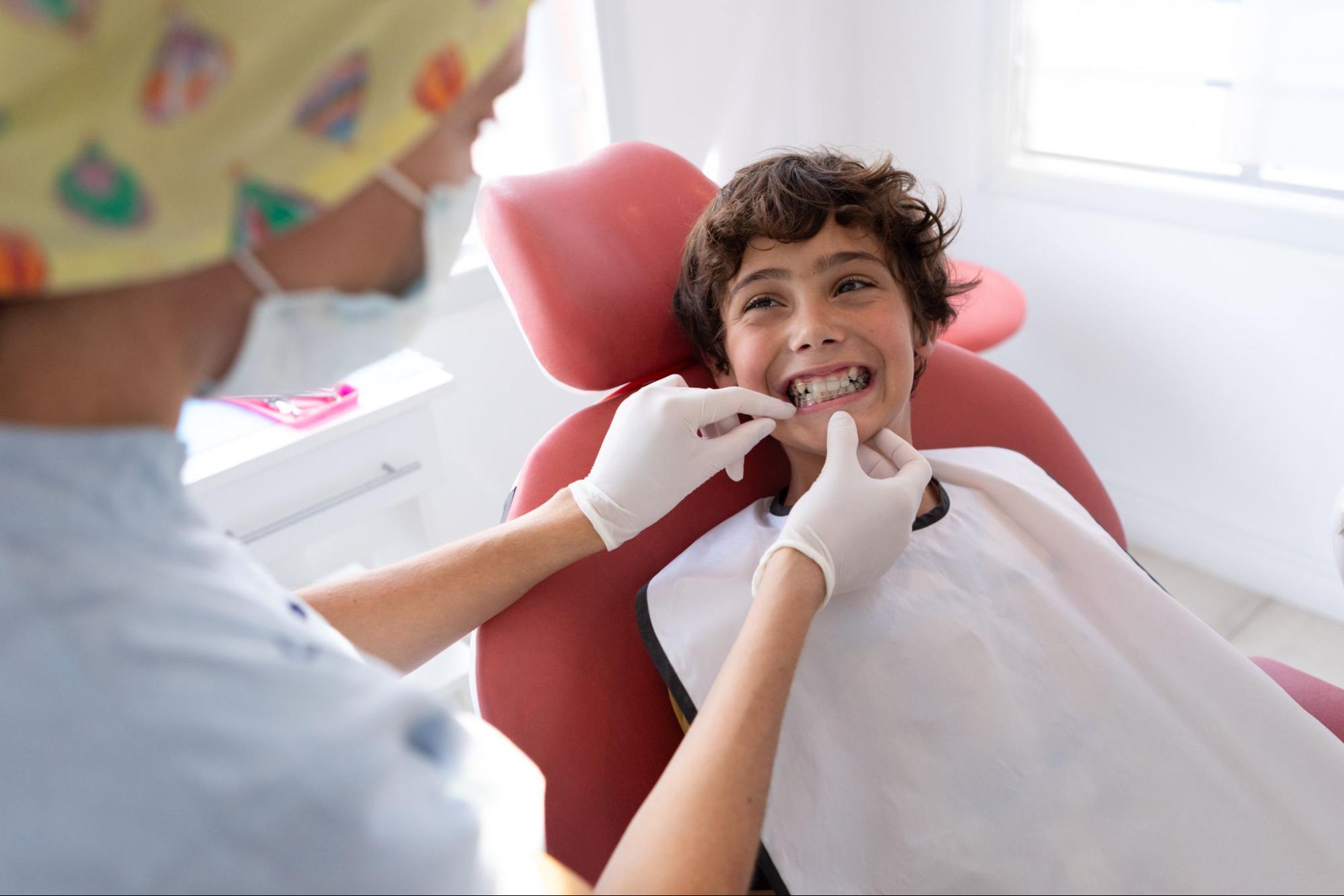
Each baby tooth holds the spot for the permanent tooth growing beneath it. When a primary tooth is lost too early to decay, surrounding teeth can drift into that space, creating alignment problems that may later require Invisalign clear aligners or other treatment to correct.
A few more reasons to prioritize those tiny teeth:
- Freedom from infection. Untreated ECC can progress to abscesses, facial swelling, and emergency dental visits. These situations are stressful for everyone and often require more involved treatment than a simple tooth-colored filling.
- A healthier permanent smile. Research consistently shows that children with early decay in their baby teeth are more likely to develop cavities in their adult teeth. Setting good habits early changes that trajectory.
- Confidence and comfort. Children notice their smiles. A healthy mouth means a confident child who isn’t self-conscious about dark spots or missing teeth in photos and at school.
As Drs. Janie and Ryan Busk often remind families, giving your child the precious gift of a cavity-free mouth for life starts with those very first teeth. It’s a lot easier to protect a smile than to rebuild one.
Bottle Feeding vs. Breastfeeding vs. Sippy Cups
Feeding method matters, but how and when you feed matters even more. Here’s a quick comparison of common feeding approaches and the oral health considerations that come with each.
| Feeding Method | Cavity Risk | Key Considerations |
|---|---|---|
| Bedtime bottle (milk, formula, juice) | Highest | Sugars pool around teeth for hours while saliva flow is lowest |
| Daytime bottle | Moderate | Risk depends on frequency, duration, and contents |
| On-demand nighttime nursing after teeth erupt | Moderate to high | Milk sugars remain on teeth; wipe gums and teeth gently after feeding |
| Breastfeeding during the day | Low to moderate | Generally low risk with normal feeding patterns and oral hygiene |
| Sippy cup with juice (sipped slowly all day) | High | Constant sugar exposure extends the acid attack across hours |
| Sippy cup with water | Very low | Safe choice between meals and before bed |
| Open cup by age 1 | Low | Shortens contact time with sugary drinks and builds motor skills |
A few practical takeaways for families with young children:
- Water is the only safe liquid for a bedtime bottle or overnight cup.
- Transition toward an open cup around your child’s first birthday to reduce prolonged sipping.
- If your little one still nurses at night after teeth have come in, gently wipe teeth and gums with a soft cloth afterward.
- Juice, even 100% fruit juice, is best limited to small amounts with meals rather than sipped throughout the day.
Small adjustments to daily routines make a big difference over time, and consistency with these habits tends to be far more impactful than any single rule.
Treating vs. Preventing Early Childhood Cavities
Prevention is always the gentler path. A twice-yearly hygiene appointment and daily brushing keep most small problems from becoming big ones, while treatment grows more involved the longer decay goes untreated.
Care steps up with severity:
- Fluoride varnish and sealants: Preventive measures applied in-office
- Tooth-colored fillings: Used for early-to-moderate decay
- Crowns on baby teeth: Used when decay reaches deeper structures
- Pulp therapy (baby root canal): Needed when decay reaches the nerve
- Advanced ECC care: May require sedation dentistry or hospital-based treatment, which makes care far more complex
Families have options for covering care. Washington Apple Health (Medicaid) covers pediatric dental services for eligible children, including preventive visits, fillings, and more serious care when needed. Most dental insurance plans also cover preventive visits, which is why we encourage parents to use those benefits fully.
For families without insurance, Cashmere Family Dentistry offers a quality dental plan as a dental savings option. Early intervention keeps treatment simple, so please don’t delay care because of questions about coverage. Give us a call and we’ll help you find a path forward together.
Is Your Child at Risk? Signs and Candidacy for Evaluation
Every child benefits from a dental home, but some little ones need extra attention. Knowing the warning signs helps you act early, when treatment is simplest.
Watch for these visual signs:
- White, chalky spots along the gumline of the upper front teeth
- Yellow or light brown discoloration on tooth surfaces
- Dark brown or black spots, which usually indicate advanced decay
- Visible holes, chips, or broken areas on any tooth
- Red, swollen, or bleeding gums around a specific tooth
Behavioral signs that something may be wrong:
- Fussiness or refusal to eat certain foods
- Pulling away from cold or warm drinks
- Persistent bad breath
- Difficulty sleeping that seems related to the mouth
- Touching or rubbing a specific area of the mouth repeatedly
Children at higher risk include those who:
- Fall asleep with a bottle or sippy cup containing anything other than water
- Snack frequently throughout the day, especially on sticky or sugary foods
- Were born prematurely or have special healthcare needs
- Live in households with limited access to fluoridated water
- Have a parent or sibling with a history of cavities
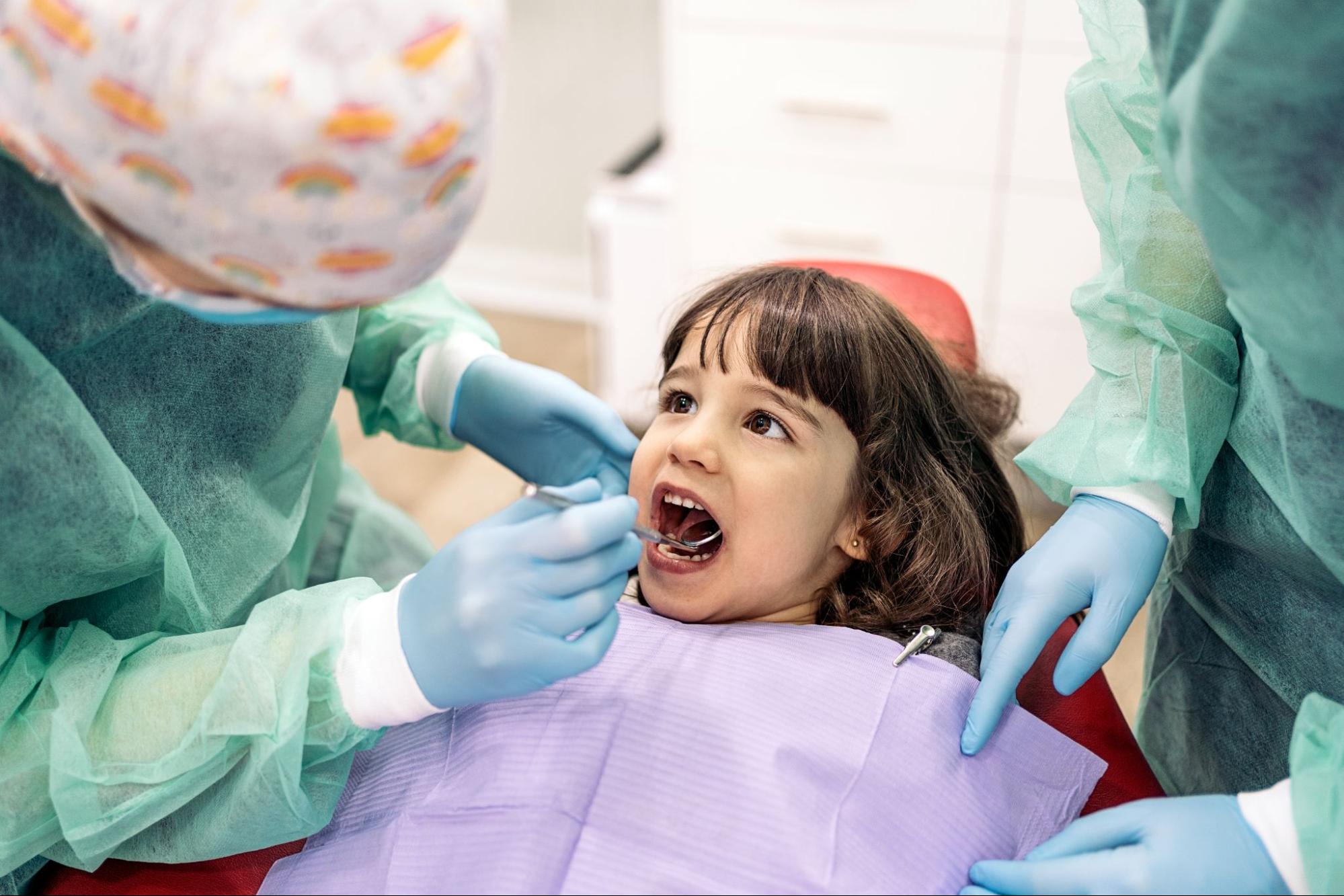
The American Academy of Pediatric Dentistry recommends that every child have a first dental appointment by age 1 or within six months of the first tooth erupting, whichever comes first. If you haven’t yet established a dental home for your little one, now is a great time. Cashmere Family Dentistry welcomes young valued patients and keeps every visit fun and free from fear. We believe in a healthy smile for a healthy body, and that belief starts with our youngest valued patients. To schedule your child’s first dental appointment, call our practice at 509-782-2516 or visit us at 209 Aplets Way. You can also request an appointment online at your convenience.

Frequently Asked Questions
Can you reverse baby bottle tooth decay?
Yes, in its earliest stage. White spot lesions represent demineralized enamel that hasn’t yet broken down into a cavity. With improved brushing, dietary changes, and professional fluoride treatments, these spots can remineralize and the tooth can heal. Once a cavity has formed through the enamel, however, it requires restorative treatment to repair.
Is it common for kids to get cavities on baby teeth?
Unfortunately, yes. Early childhood caries is the most common chronic disease of childhood in the United States, according to the CDC. It affects children across all backgrounds and family situations. The good news is that modern prevention tools, including fluoride, sealants, and regular hygiene appointments, make it very possible to raise a cavity-free child.
Do baby bottles cause tooth decay?
Not exactly. The bottle itself isn’t the problem. What causes decay is prolonged exposure to sugary liquids, including milk, formula, and juice, especially during sleep when saliva flow drops. Using a bottle only during feeding times, filling bedtime bottles with water only, and cleaning your baby’s teeth after feedings dramatically reduces the risk.
Are you a bad parent if your child has cavities?
Absolutely not. Many factors contribute to childhood cavities, including genetics, enamel strength, bacterial exposure, and family circumstances. Even dedicated parents sometimes end up with children who get cavities. What matters is addressing the issue with support rather than shame. Drs. Janie and Ryan Busk work alongside parents without judgment to get your child back on track.
When should my child first see a dentist?
By age 1, or within six months of the first tooth coming in. This early dental appointment helps us catch any developing concerns, teach you proper brushing technique for little mouths, and get your child comfortable with the dental setting. Early visits set the tone for a lifetime of positive dental experiences.
Is tap water typically fluoridated?
Fluoridation status varies by water source and community. We recommend checking directly with your local water authority to confirm fluoride levels in your home’s water supply. If your water is not optimally fluoridated, Drs. Busk can discuss whether fluoride supplements or in-office treatments are a good fit for your child based on their individual risk factors.