Protecting your child’s smile during their cavity-prone years can be simple, quick, and comfortable. “Does my child really need dental sealants for kids, and when should they get them?” is one of the most common questions parents bring to Cashmere Family Dentistry, and for good reason. Sealants are one of the most effective preventive treatments in modern pediatric dentistry, offering lasting protection against decay in the hardest-to-clean areas of your child’s mouth. Here’s what to know before your next hygiene appointment, from how they work to when your child should get them.

What Are Dental Sealants?
Dental sealants are thin, protective resin coatings applied to the chewing surfaces of your child’s back teeth, where cavities are most likely to form. They fill in deep grooves and pits that toothbrush bristles can’t reach, acting as a physical barrier against food particles, plaque, and decay-causing acids.
Most pediatric dental sealants are placed on permanent molars and premolars, since these teeth have the deepest grooves and take the brunt of daily chewing. The material itself is typically clear, white, or lightly tinted, so once it’s set, it’s virtually invisible when your child smiles or laughs.
Think of sealants as a raincoat for your child’s teeth. The enamel is still there doing its job, but now it has an extra layer of defense against the sugars and acids that cause cavities. For many families, sealants for children’s teeth become a routine part of preventive care, right alongside brushing, flossing, and regular hygiene appointments. Parents often tell us they wish sealants had been part of their own childhood routine, since the technology has made such a measurable difference in cavity rates among kids today.
How the Sealant Application Process Works
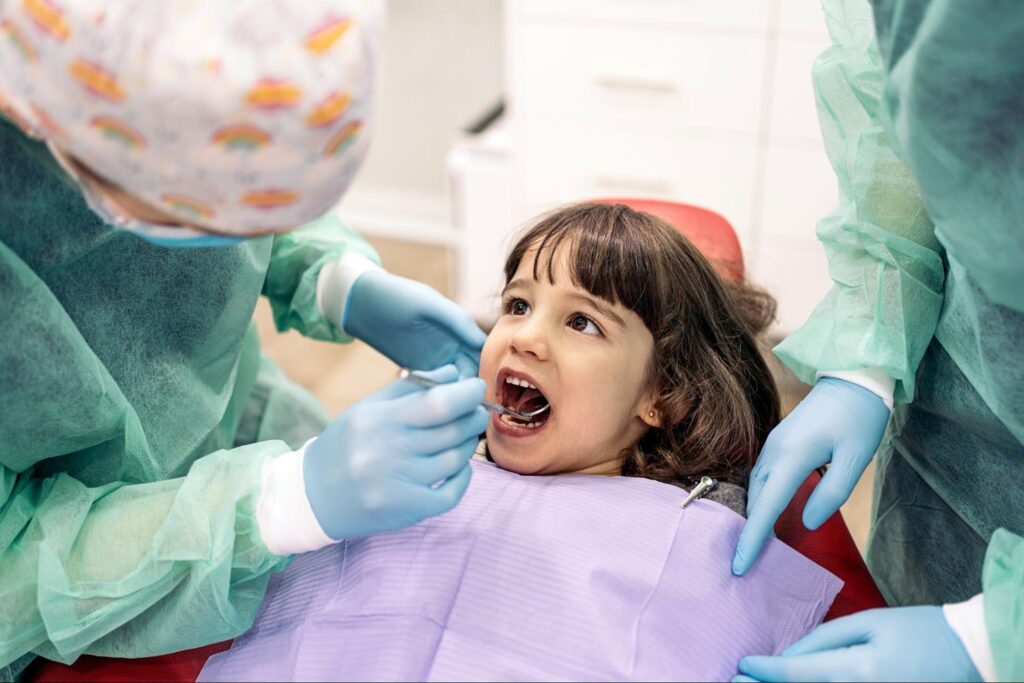
Getting sealants placed is one of the quickest and easiest dental treatments your child will ever experience. No preparation or anesthesia is required, and there’s no recovery time afterward. The entire process takes about five minutes per tooth and can usually be completed during a regular hygiene appointment.
Here’s what to expect when your child comes in for sealants at Cashmere Family Dentistry:
- Cleaning. The tooth is thoroughly cleaned to remove plaque and debris from the grooves.
- Drying. The tooth is dried and isolated with cotton or a small dental dam to keep moisture away.
- Etching. A mild gel is applied for a few seconds to lightly roughen the enamel surface, which helps the sealant bond.
- Rinsing and drying again. The etching gel is rinsed off and the tooth is dried once more.
- Applying the sealant. The liquid resin is painted into the grooves of the tooth with a small brush.
- Curing. A special curing light hardens the sealant in just a few seconds, locking it into place.
That’s it. Your child can eat and drink normally right after the appointment, with no restrictions and no soreness. For kids who feel uneasy about dental visits, sealants are often a confidence-building experience because they get to walk out knowing they protected their teeth without any discomfort. It’s one of the many ways we keep visits fun and free from fear.
Benefits of Dental Sealants for Kids
The case for pediatric dental sealants is strong and backed by decades of research. According to the Centers for Disease Control and Prevention (CDC), sealants can prevent the majority of cavities in the back teeth during the first few years after application, and continue to offer meaningful protection for several years beyond that. For a treatment that takes minutes to place, that’s remarkable protection.
Here are the key benefits parents should know about:
- Protection during high-risk years. The ages between 6 and 14 are when children are most vulnerable to cavities in their newly erupted permanent molars. Sealants provide a shield exactly when kids need it most.
- A simpler path than restorative care. Placing a sealant is far simpler than treating a cavity with a tooth-colored filling, crown, or root canal therapy down the road.
- Comfortable placement. There are no injections and no preparation needed, which makes sealants a good option for children who feel anxious about dental treatment.
- Long-lasting results. With proper care and regular hygiene appointments, sealants can last between 5 and 10 years before needing to be reapplied.
- Fewer future treatments. Preventing cavities now means fewer restorative appointments later, which also means fewer missed school days and less disruption to family schedules.
- Supports lifelong oral health. Giving kids a cavity-free mouth for life starts with preventive choices like sealants.
Drs. Janie and Ryan Busk, who are parents themselves, see sealants as one of the simplest ways to give children a strong foundation of oral health. Prevention has always been easier and more comfortable than treatment, and sealants fit that philosophy well. That’s part of why we encourage families to start thinking about preventive care well before any issues appear on an X-ray.
Sealants vs. Fluoride Treatments: Which Does Your Child Need?
Parents often ask whether their child needs sealants, fluoride, or both. The honest answer is that these two treatments do different things, and most pediatric dentists recommend using them together for the best cavity prevention.
Here’s a side-by-side comparison to help you understand how they complement each other:
| Feature | Dental Sealants | Fluoride Treatments |
|---|---|---|
| How it works | Physical barrier covering grooves | Strengthens enamel chemically |
| Where it’s applied | Chewing surfaces of back teeth | All tooth surfaces |
| How often | Lasts 5–10 years | Applied every 3–6 months |
| Best for | Deep grooves in molars/premolars | Smooth surfaces and overall enamel strength |
| Application time | ~5 minutes per tooth | A few minutes for the whole mouth |
Sealants and fluoride each cover a weakness the other can’t. Sealants protect the deep pits and grooves on molars where food gets packed in, while fluoride strengthens the smooth surfaces of every tooth and helps remineralize early signs of decay. Drs. Janie and Ryan Busk typically recommend both treatments together, since each one does something the other simply can’t do on its own.
Used in combination, sealants guard the hard-to-reach grooves while fluoride reinforces every surface in your child’s mouth. That combination is what gives kids the best shot at staying cavity-free through their most vulnerable years.
Are Dental Sealants Covered by Insurance?
Most dental insurance plans cover sealants for children, and programs like Medicaid and CHIP often include pediatric sealants as well. Coverage varies by plan, so it helps to confirm your benefits before your child’s appointment.
Several factors can affect coverage:
- Number of teeth being sealed
- Tooth location and accessibility
- Your insurance coverage and plan limits
For families without traditional insurance, Cashmere Family Dentistry offers a quality dental plan for preventive and restorative care. We’re happy to review your options before any treatment is scheduled. Give Cashmere Family Dentistry a call at 509-782-2516 to learn more about insurance coverage and the options that work for your family.
When Should Your Child Get Sealants?
Most children should get their first dental sealants around age 6, when their first permanent molars erupt, and again around age 12, when their second permanent molars come in. Premolars are typically sealed between ages 10 and 12 as they appear. The best time to apply a sealant is soon after a tooth erupts, before decay has a chance to develop.
Here’s a general timeline for when to get sealants on kids:
- Age 6: First permanent molars (the “6-year molars”) erupt and are prime candidates for sealing
- Ages 10–12: Premolars erupt and can be sealed as they come in
- Age 12: Second permanent molars (the “12-year molars”) erupt and should be sealed shortly after
- Baby molars: May be sealed in children with deep grooves or a high cavity risk, especially if those teeth will be in place for several more years
- Teens and adults: Older patients with cavity-prone teeth can also benefit from sealants
Every child is different, so Drs. Janie and Ryan Busk evaluate each young patient individually during their hygiene appointments at Cashmere Family Dentistry. If your child has deep grooves, a history of cavities, or trouble reaching their back teeth while brushing, sealants may be recommended sooner rather than later. We’ll always walk you through the reasoning so you feel confident in the plan.
Frequently Asked Questions About Kids’ Dental Sealants
Do dental sealants cause any discomfort?
No. The process is comfortable and quick, with no preparation needed. Your child simply relaxes in the chair while the sealant is cleaned, painted on, and hardened with a curing light. Most kids are surprised at how fast and easy the whole thing is, and many walk out proud of themselves for taking a big step toward a cavity-free mouth.
Are dental sealants safe and BPA-free?
Yes, modern dental sealants are considered very safe. While some sealant materials contain trace amounts of BPA-derived compounds, research shows that the amount released is negligible and well below any established safety limits. The American Dental Association and the American Academy of Pediatric Dentistry both support sealant use as a safe and effective preventive treatment. If you have specific concerns, our team at Cashmere Family Dentistry is happy to discuss the materials we use.
How long do sealants last?
Dental sealants typically last between 5 and 10 years with proper care and regular hygiene appointments. During each complete exam, we check the condition of your child’s sealants and can touch them up or reapply them if needed. Good brushing habits and avoiding hard, sticky foods help sealants last as long as possible.
Can sealants be placed over a small cavity?
In some cases, yes. If a tooth has very early signs of decay that haven’t broken through the enamel, a sealant may be placed to stop the decay from progressing. However, if a cavity has already formed, your child will need a tooth-colored filling instead. This is why early detection during routine visits matters so much.
What if a sealant chips or falls out?
Sealants are durable, but they can occasionally chip or wear down over time. The good news is that they’re easy to repair or reapply. If you notice something feels off with your child’s tooth, give us a call and we can take a look at the next appointment.
Can my child eat normally after getting sealants?
Yes, immediately. There are no food or drink restrictions after sealants are placed. The curing light hardens the material completely in seconds, so your child can head straight from the dental appointment to lunch, soccer practice, or whatever is next on the schedule.
Give Your Child a Strong Start
Preventive care is one of the best things you can give your child, and dental sealants are a smart and comfortable way to protect their smile for years to come. At Cashmere Family Dentistry, Drs. Janie and Ryan Busk are parents too, and they enjoy getting to know the families they serve across Cashmere, Wenatchee, and Leavenworth. There’s nothing quite like watching a child grow up with a healthy, confident smile and knowing you helped make that happen.
Ready to take the next step? To schedule your child’s next hygiene appointment or ask about sealants, call Cashmere Family Dentistry at 509-782-2516 or request an appointment online. A healthy smile for a healthy body starts early, and we’d love to help your family get there.