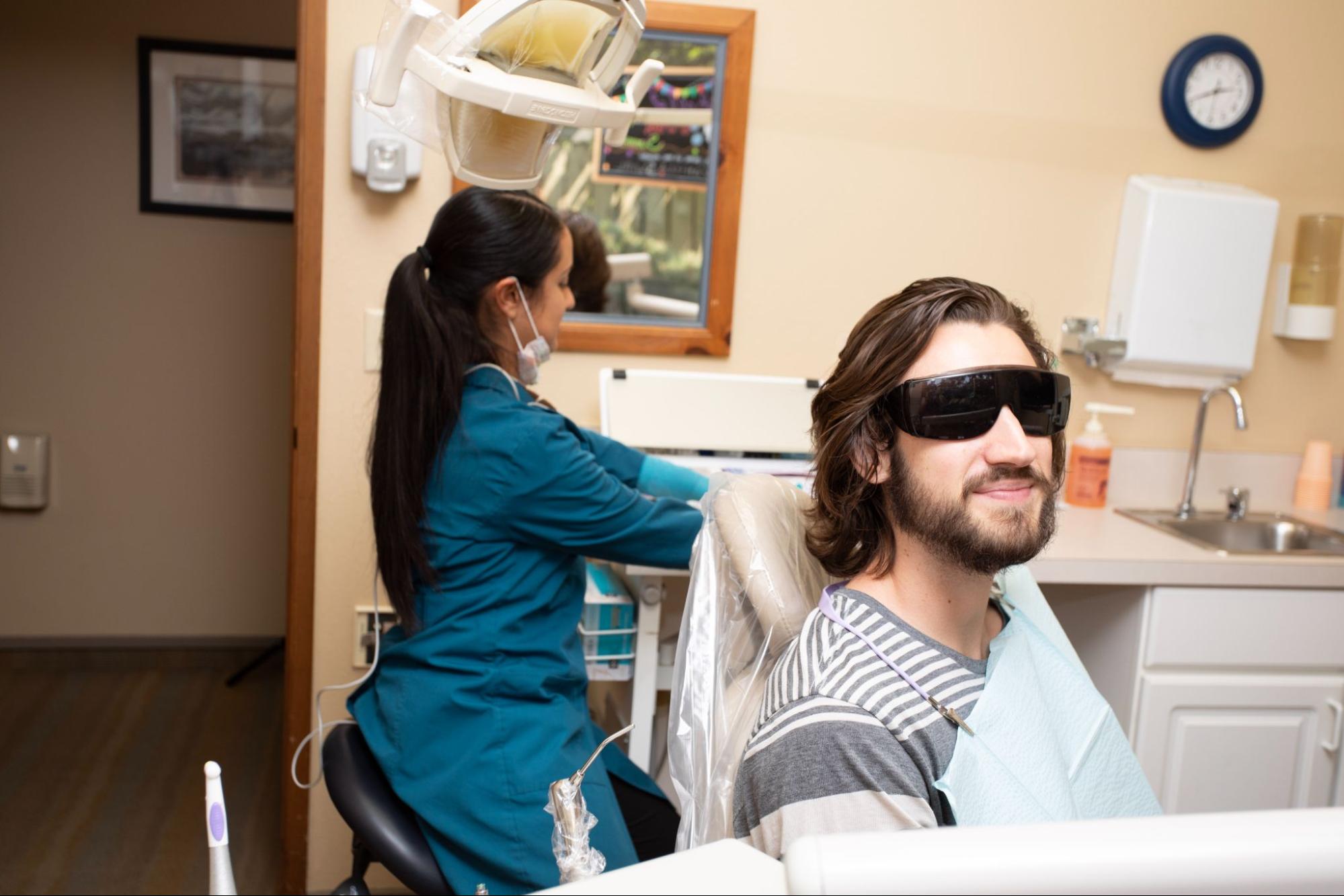
How Often Should Kids Get Dental Checkups?
Most children should have a dental checkup every six months, starting by their first birthday or within six months of their first tooth coming in. Children with a higher cavity risk may need visits every three to four months. This schedule matches guidance from the American Dental Association and the American Academy of Pediatric Dentistry.
How often should kids get dental checkups if everything looks healthy at home? Twice a year is still the standard, because a child’s mouth changes quickly between appointments. Baby teeth erupt, permanent molars arrive, jaws widen, and brushing habits slip during busy school seasons. Six-month intervals give a dentist a real look at those changes instead of a snapshot once a year.
Preventive appointments for children cover much more than a quick peek. A typical preventive appointment includes:
- A thorough exam of teeth, gums, bite, and soft tissues
- A gentle hygiene appointment to remove plaque and hardened tartar
- Fluoride application to strengthen enamel
- A cavity risk assessment based on diet, habits, and dental history
- X-rays when your dentist needs to see between teeth or check developing teeth
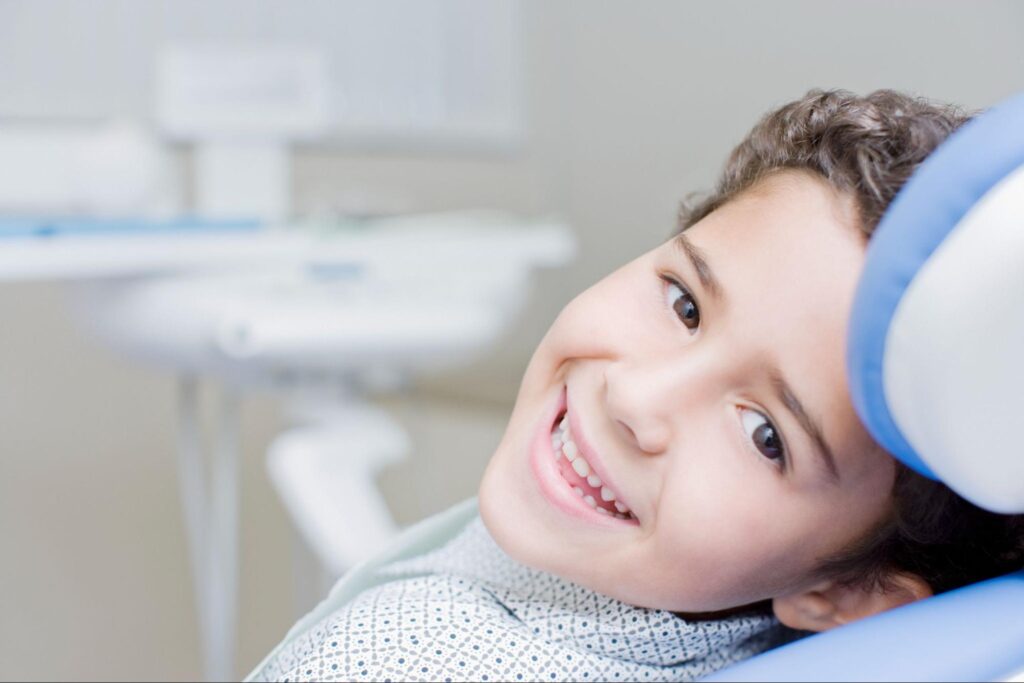
What Happens During a Child’s Dental Checkup
Most children’s dental appointments take 30 to 60 minutes and follow a predictable order: health history review, cleaning, exam, X-rays if needed, fluoride, and home care coaching. Knowing the steps ahead of time helps kids feel calm, and it helps parents know exactly what questions to ask.
Step 1: Health history and habits
We talk through any medications, medical updates, and habits that shape dental health, including thumb-sucking, pacifier use, nighttime bottles, and how often snacks show up during the day.
Step 2: A gentle cleaning
Plaque and tartar collect fast around erupting teeth and crowded areas. A hygienist polishes each surface and cleans along the gumline with tools sized for small mouths.
Step 3: The visual exam
Your dentist checks for early decay, checks how the bite fits together, looks at spacing and eruption order, and examines the tongue, cheeks, and gum tissue.
Step 4: X-rays when needed
Images reveal decay hiding between teeth and show permanent teeth still forming under the gums. Frequency depends on your child’s risk level, not a fixed calendar.
Step 5: Fluoride and sealant evaluation
Fluoride is an important natural mineral that remineralizes enamel alongside the naturally occurring calcium in saliva, keeping teeth strong. Deep grooves on new molars may also be candidates for sealants.
Step 6: Coaching for both of you
Kids get brushing and flossing tips in language they understand. Parents get specifics on diet, fluoride, and what to watch between visits.
Drs. Janie and Ryan Busk are parents themselves, so appointments are paced to keep kids comfortable and confident. Every visit should feel fun and free from fear.
Why Regular Checkups Matter for Growing Smiles
Twice-yearly visits do quiet work that’s easy to overlook: small problems stay small, habits get corrected early, and your child learns that dental appointments are simply part of staying healthy.
Here’s what consistent preventive care protects:
- Early cavity detection. A shallow spot of decay can often be repaired with a small tooth-colored filling. The same spot found a year later may need a crown or more involved dental treatment.
- Growth and orthodontic timing. Tracking jaw growth, spacing, and eruption patterns helps your dentist know when an orthodontic evaluation makes sense, typically around age 7.
- Comfort and confidence. Visits to the dentist during these formative years can greatly impact the way your children view dental appointments for their entire life.
- Stronger enamel. Fluoride treatments and sealants on back molars lower decay risk in the grooves where cavities start most often.
- Speech, nutrition, and school days. Healthy teeth support clear speech and comfortable chewing, and children with untreated decay miss more school.
Prevention is the whole point. Dr. Janie Busk, DDS, and Dr. Ryan Busk, DDS, love partnering with parents to give children the precious gift of a cavity-free mouth for life, and a steady six-month rhythm is the simplest way to get there. A healthy smile for a healthy body starts young.

Which Schedule Fits Your Child?
Twice a year is the default for most children, and every three to four months becomes the plan when cavity risk climbs. How often kids get dental appointments depends on your child’s history, home care at the bathroom sink, diet, and any appliances in the mouth, and your dentist adjusts the interval as risk drops or rises.
| Every 6 Months (Standard) | Every 3-4 Months (Higher Frequency) | |
|---|---|---|
| Who it fits | Little or no cavity history, solid brushing and flossing at home, access to fluoridated water | Repeat decay, white-spot lesions, orthodontic appliances, enamel defects, special health care needs |
| What’s typically included | Comprehensive exam, hygiene appointment, fluoride, periodic X-rays, sealant check | Same care plus more frequent fluoride, closer monitoring of at-risk areas, extra home care coaching |
| Main goal | Maintain health and track growth | Stop active decay and reset habits before treatment is needed |
| Adjustments over time | Usually stays consistent through childhood | Often steps back to six months once risk drops |
What about once-a-year visits? Annual-only scheduling tends to backfire. A cavity that appears two months after a visit has ten months to grow before anyone sees it, and by then the repair is bigger, longer, and more expensive than a small filling would have been. Skipped hygiene appointments also let tartar build along the gumline, which sets up early gum inflammation in teens.
Kids with appliances need a mention of their own. Brackets and wires, expanders, and even Invisalign clear aligners create new places for plaque to hide, so shorter intervals are common during active orthodontic treatment.
What Affects the Cost of Children’s Dental Checkups
Wondering how much a child’s dental checkup costs? A preventive visit is priced as a handful of separate services rather than one flat fee, with the exam and hygiene appointment making up most of the total. Fluoride, X-rays, and sealants are added as needed, so the final figure follows your child’s risk level.
A children’s dental checkup is usually billed in parts: the exam, the cleaning, fluoride, and any X-rays taken that day. Most dental plans cover two preventive visits per year, often at or close to full coverage. Sealants, extra images, and longer appointments for very young children can be billed separately.
| Cost Factor | Why It Matters |
|---|---|
| Exam and cleaning | The core of every preventive visit, typically the largest covered portion |
| Fluoride treatment | Frequently included for children; coverage may end at a certain age |
| X-rays | Priced by number and type of images; risk level drives frequency |
| Sealants | Billed per tooth, usually for permanent molars |
| Age and cooperation | Toddlers and children who need extra time may require a longer appointment |
| Treatment needed | Fillings, crowns, or other dental treatment are separate from preventive care |
Prevention is almost always the smaller line item. Two hygiene appointments and fluoride cost far less than restoring several decayed molars later. If your family doesn’t have dental benefits, Cashmere Family Dentistry offers a Quality Dental Plan that covers preventive visits at a set annual rate, which makes budgeting for kids predictable.
Fees vary by practice, region, and what each child actually needs. Ask for a current estimate before treatment so there are no surprises.
Which Children Need More Frequent Dental Visits?
Some kids simply need to be seen more often. Higher frequency isn’t a judgment, it’s a strategy for getting ahead of decay while it’s still reversible or easy to repair.
Your dentist may recommend visits every three to four months if your child has:
- A history of cavities or white-spot lesions. Past decay is one of the strongest predictors of future decay.
- Orthodontic appliances. Fixed brackets, expanders, and retainers all trap plaque in new places.
- Enamel defects or dry mouth. Thin or pitted enamel and reduced saliva flow both raise risk, and some medications contribute to dryness.
- Frequent snacking or sipping. Juice, sports drinks, and all-day grazing keep the mouth acidic. Nighttime bottles are especially hard on front teeth.
- Special health care needs. Sensory sensitivities, motor limitations, or medical conditions can make thorough brushing at home difficult.
- No access to fluoridated water. Well water and some municipal systems don’t provide the enamel support fluoridated water does.
Home care matters just as much as scheduling. If brushing twice a day is a nightly battle at your house, tell your dentist. That single detail often changes the recommended interval and the coaching you get.

Frequently Asked Questions About Kids’ Dental Checkups
When should a child have their first dental visit?
By age 1, or within six months of the first tooth appearing, whichever comes first. Both the ADA and AAPD support this timing. That first appointment is short and mostly educational, covering teething, bottle habits, brushing technique, and fluoride, while getting your child comfortable in the chair.
Do baby teeth really need checkups if they fall out anyway?
Yes. Baby teeth guide permanent teeth into position, support chewing and clear speech, and can develop decay that reaches the nerve and affects the permanent tooth forming underneath. Some baby molars stay in place until around age 12, so they need protection for years.
How often do kids need dental X-rays?
There’s no universal schedule. The AAPD recommends X-ray intervals based on each child’s cavity risk, which often means images every one to two years for low-risk children and more frequently when decay is active. Your dentist should explain why each set is being taken.
Is every six months necessary if my child has never had a cavity?
For most cavity-free kids, yes. Six-month visits keep tartar from building, allow fluoride at regular intervals, and let your dentist watch bite development during the years when teeth shift fastest. A clean history is a reason to celebrate, not a reason to stretch the schedule.
What if my child is nervous about the dentist?
Tell us before the appointment so we can plan for it. Short visits, simple explanations, a slower pace, and letting your child hold a mirror all help. Our practice keeps children’s appointments fun and free from fear, and we are fun, since early comfort shapes how kids feel about dental care for decades.
Can a family dentist treat children, or is a pediatric specialist required?
Family dentists treat children routinely and are trained to manage preventive care, tooth-colored fillings, sealants, and growth monitoring. A pediatric specialist may be recommended for complex medical needs or extensive treatment in very young children. Seeing the whole family in one practice also makes scheduling far easier for parents. Cashmere Family Dentistry is friendly, modern and ready to care for every age in your family, from first teeth through the teen years, and Drs. Janie and Ryan Busk practice general and family dentistry together as a husband-and-wife team. You’re always welcome to request an appointment whenever your child is due for their next comprehensive exam.