
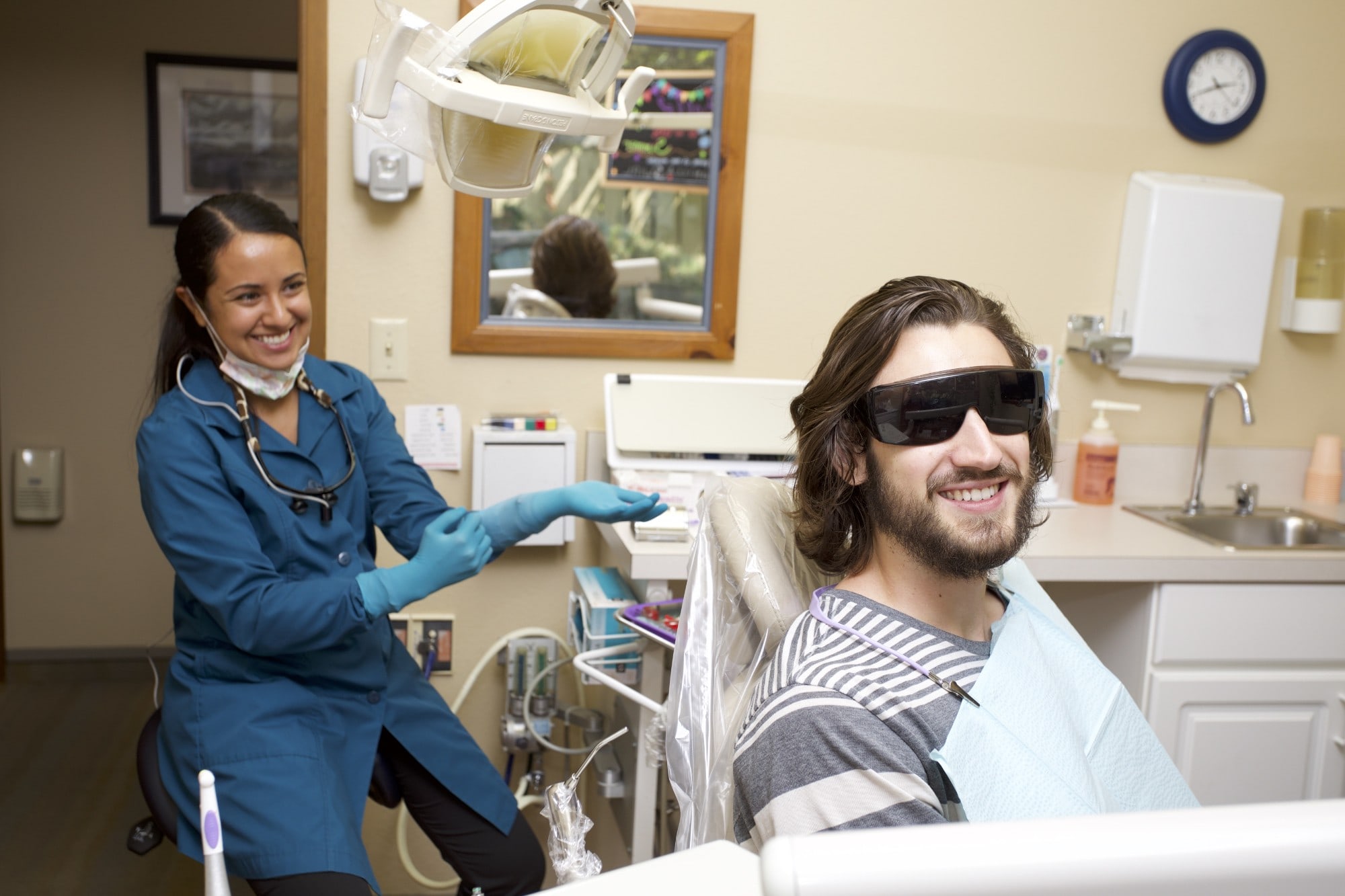
As a parent, learning that your child may need a baby tooth removed can feel overwhelming. At Cashmere Family Dentistry, Dr. Janie Busk, DDS and Dr. Ryan Busk, DDS help families understand what goes into a baby tooth extraction, so you can make informed decisions with confidence. As a family dental practice that welcomes patients of all ages, our team offers a clear guide to the process, reasons, costs, and what to expect for your little one. Here’s everything you’ll want to know before your child’s dental appointment.

What Is a Baby Tooth Extraction?
A baby tooth extraction is the removal of a primary tooth before it falls out on its own, performed when a tooth is decayed, infected, damaged, or blocking an incoming adult tooth. It’s usually a quick, simple procedure handled right in our practice.
This kind of removal differs from the natural shedding that happens during childhood. While most baby teeth loosen and fall out without help, certain situations call for gentle removal by a family dentist who can spot problems early. Drs. Janie and Ryan Busk evaluate each child individually to determine whether removal is truly the best path forward for your valued family member. The goal is always to protect your child’s developing smile and keep their oral health on track for years to come.
What to Expect During a Child’s Tooth Extraction
A baby tooth extraction usually takes only a few minutes from start to finish. Your dentist begins with a quick exam and X-rays, applies a numbing gel and local anesthetic to keep your child comfortable, then gently lifts the tooth out. Aftercare instructions are reviewed before you leave, and sedation options are available for children who feel uneasy about treatment.
Here’s a step-by-step look at what happens at your child’s dental appointment:
- Evaluation and X-rays. The dentist examines the tooth, checks the root, and looks at the adult tooth developing underneath.
- Comfort measures. A numbing gel is applied first, followed by local anesthetic so your child feels nothing during the procedure.
- Gentle removal. The tooth is loosened with a small instrument and lifted out, often in under a minute.
- Sedation if needed. For especially nervous children, light sedation can be discussed ahead of time.
- Post-procedure care. You’ll receive simple instructions on bleeding control, eating, and keeping the area clean.
Our team works hard to keep every visit comfortable and calm, especially for younger children. We want each experience to be fun and free from fear, so we talk kids through every step in language they understand, and we celebrate their bravery afterward with plenty of encouragement.
Why Would a Baby Tooth Need to Be Extracted?
Even though baby teeth eventually fall out on their own, sometimes early removal is the healthiest choice. A timely extraction can prevent bigger problems later and help your child’s adult smile come in correctly aligned.
Common reasons a baby tooth may need removal include:
- Severe decay that can’t be repaired with a tooth-colored filling or crown
- Infection or abscess that could spread to surrounding tissue
- Trauma or fracture from a fall or sports injury
- Crowding that prevents an adult tooth from erupting properly
- A stubborn baby tooth blocking the path of the permanent tooth coming in behind it
Removing a problem tooth early can ease discomfort, stop infection, and create the room your child’s adult teeth need. Drs. Janie and Ryan Busk view this as part of giving children the precious gift of a cavity-free mouth for life.
Should a Baby Tooth Be Extracted or Saved?
Extraction is never the first choice when a baby tooth can be saved. At Cashmere Family Dentistry, Dr. Janie Busk and Dr. Ryan Busk consider every option before recommending removal, including conservative restorative dental treatment that keeps the natural tooth in place whenever possible.
| Option | When It’s Used | What It Does |
|---|---|---|
| Tooth-colored filling | Small to moderate decay | Restores tooth structure and seals out bacteria |
| Stainless steel or tooth-colored crown | Larger cavities or fractures | Covers and protects the remaining tooth |
| Pulpotomy (baby root canal) | Decay has reached the pulp | Removes infected tissue while saving the tooth |
| Extraction | Tooth is beyond repair or blocking an adult tooth | Removes the tooth to protect overall health |
| Space maintainer | After early extraction | Holds space so adult teeth erupt in the right spot |
Your dentist will weigh how close the tooth is to falling out naturally, the health of the root, and how the adult tooth is developing underneath. If a baby tooth can be saved without risk, that’s almost always the better route for your child’s long-term oral health.

What Affects the Cost of a Baby Tooth Extraction?
Several factors influence the cost of removing a baby tooth, and dental insurance often covers medically necessary extractions. The main variables include the type of extraction, whether sedation is used, the number of teeth removed, and any follow-up care like space maintainers. Costs can range widely depending on these factors , so your dentist will review estimated costs with you before scheduling treatment.
Here’s a breakdown of what can affect pricing:
| Cost Factor | Why It Matters |
|---|---|
| Simple vs. surgical extraction | A simple removal of a loose tooth costs less than a deeper extraction of an impacted tooth |
| Sedation choice | Local anesthetic alone is the most affordable; sedation adds to the total |
| Number of teeth | Removing multiple teeth in one visit can change the overall fee |
| X-rays and exams | Imaging is typically needed to plan the procedure safely |
| Space maintainer | If recommended afterward, this is a separate appliance cost |
| Insurance coverage | Many plans cover medically necessary extractions for children |
For families without dental insurance, our quality dental plan helps cover routine and necessary care throughout the year. We’re happy to walk you through your options before any treatment begins so there are no surprises along the way.
How to Know If Your Child Might Need an Extraction
Only a dentist can confirm whether an extraction is necessary, but certain signs are worth watching for at home. If your child shows any of the symptoms below, schedule a dental appointment for an evaluation right away.
Watch for these warning signs:
- Persistent toothache or sensitivity that doesn’t go away
- Visible decay, dark spots, or holes in a tooth
- A broken or chipped tooth from a fall or injury
- Swelling in the gums, face, or jaw
- A pimple-like bump on the gum near a tooth (sign of abscess)
- Crowding or a permanent tooth coming in behind a baby tooth that hasn’t fallen out
- Difficulty chewing or reluctance to eat on one side
An exam and X-rays at Cashmere Family Dentistry will confirm what’s going on beneath the surface. Drs. Janie and Ryan Busk understand how anxious these moments can feel for parents, and they’ll explain every finding in plain language so you can make the right call for your child. Their goal is to put both you and your little one at ease throughout the entire process.
Frequently Asked Questions About Baby Tooth Extractions
Will losing a baby tooth too early affect adult teeth?
It can, which is why dentists often recommend a space maintainer after an early extraction. Baby teeth hold space for the permanent teeth developing underneath, and losing one too soon can cause neighboring teeth to drift into the gap. According to guidance from the American Academy of Pediatric Dentistry , a small appliance keeps that space open so the adult tooth erupts in the right position.
How long does recovery take after an extraction?
Most children bounce back within one to three days. Minor soreness and mild swelling are normal for the first 24 hours, and kids are usually back to normal activities the next day. Full healing of the gum tissue typically takes about a week, though every child is a little different.
What aftercare helps a smooth recovery?
Soft foods, plenty of fluids, and gentle rinsing with warm salt water make a big difference. Avoid straws, hot foods, and crunchy snacks for the first day or two. Your dentist will provide specific instructions tailored to your child’s procedure, and we’re always available if questions come up at home.
Is a baby tooth extraction uncomfortable for my child?
We use numbing medication so your child doesn’t feel the extraction itself, and sedation is available for kids who feel especially nervous. Mild soreness afterward can usually be managed with children’s acetaminophen or ibuprofen as directed by your dentist or pediatrician. Most kids feel much better within a day and are smiling again in good health and comfort.
Do extracted baby teeth always need a space maintainer?
Not always. If the adult tooth is close to erupting on its own, a space maintainer may not be necessary. When a tooth is lost well before its natural timeline, your dentist will likely recommend one to guide proper alignment of the permanent teeth coming in. At Cashmere Family Dentistry, Drs. Janie and Ryan Busk will help your family decide what’s best, supporting a healthy smile for a healthy body at every stage of your child’s growth.